The Lord, the God of their fathers, sent word to them again and again by His messengers, because He had compassion on His people and on His dwelling place; but they continually mocked the messengers of God, despised His words and scoffed at His prophets, until the wrath of the Lord arose against His people, until there was no remedy. (2 Chronicles 36:15-16)
‘[As I live!]' declares the Lord God, 'I take no pleasure in the death of the wicked, but rather that the wicked turn from his way and live. Turn back, turn back from your evil ways! Why then will you die . . . ?' (Ezekiel 33:11)
A few days after the cataclysmic earthquake and tsunami that devastated parts of Japan, Tokyo Governor Shintaro Ishihara said the calamity was “divine punishment” for what he called the wickedness of his people during the past generation. In the United States, some radio and television personalities also weighed in on the Japan tragedy, suggesting such “Acts of Nature” are, in reality, evidence of God’s increasingly frequent and powerful warnings to humanity to repent.
On the other hand some people, such as professor Ronald Green of Dartmouth College, believe it “mean spirited” to declare such calamities signs of God’s judgment on sin.*
I will not enter the debate. I do not know why the earthquake and tsunami devastated Japan, or why Katrina barreled through New Orleans, or why the earthquake and tsunami leveled Haiti. If, as Professor Green believes, calamities such as these are merely ‘Acts of Nature’ then we have nothing to worry about – so long as we don’t live on a fault line, or near the ocean.
However.
As I recently read through the prophet Daniel’s prayer (Daniel 9), I wondered if it would be prudent – especially for those who believe God’s Word to be His eternal truth – I wondered if it would be prudent at this time to take a clue from the Scriptures in which calamities such as these are ‘Acts of God’ designed to warn wayward humanity to return to holiness.
If that be the case in the latest rash of ‘Acts,’ then we might be wise to consider making Daniel’s prayer our own: "Alas, O Lord, the great and awesome God, who keeps His covenant and lovingkindness for those who love Him and keep His commandments, we have sinned, committed iniquity, acted wickedly and rebelled, even turning aside from Your commandments and ordinances. . ."
"Open shame belongs to us, O Lord . . because we have sinned against You . . . Thus He has confirmed His words which He had spoken against us and against our rulers who ruled us, to bring on us great calamity . . . .”
"O Lord, in accordance with all Your righteous acts, let now Your anger and Your wrath turn away from [us] . . . O my God, incline Your ear and hear! Open Your eyes and see our desolations . . . . for we are not presenting our supplications before You on account of any merits of our own, but on account of Your great compassion. O Lord, hear! O Lord, forgive! O Lord, listen and take action! For Your own sake, O my God, do not delay . . .”
Like professor Ronald Green, we can dismiss calamities as mere “Acts of Nature,” and continue to live as we do, without much thought of God or eternity. Or we can consider such devastations to be ‘Acts of God,’ warning us to return to holiness.
Oh, Holy Spirit, Who hath spoken through the prophets, help us make the right decision. Amen.
* http://abcnews.go.com/Politics/japan-earthquake-tsunami-divine-retribution-natural-disaster-religious/story?id=13167670&page=2
Wednesday, April 6, 2011


Saturday, April 2, 2011
No Urge to Flee
Then I saw a great white throne and Him who was seated on it. The earth and the heavens fled from His presence, and there was no place for them.
(Revelation 20:11)
I stopped reading
and mused,
How will that look?
All of creation
fleeing His presence.
Suns, moons,
mountains, oceans,
forests, deserts,
myriads and myriads
of people,
beasts,
fish,
and fowl;
Racing from
the ineffable power
and glory
and majesty
of God.
But in my muse
I stood still
and silent.
Creation blurred past,
yet I sensed no urge
to flee;
But only to run
toward my daddy
who art in heaven.
Sunday, March 27, 2011
Better Now than Later
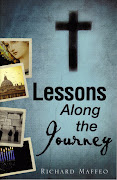
This is based on an essay that appears in my book, Lessons Along the Journey. I thought it might be good to post it here.
--------------
Seek the Lord while He may be found; call on him while he is near (Isaiah 55:6).
Smoke swirled through the streets of Jerusalem. A woman shrieked as the Babylonian soldier pulled the blood-soaked sword from a man’s belly, and then thrust it into hers. Soldiers ripped babies from their mothers’ arms and flung them against stone walls. Devastation swallowed Jerusalem as Nebuchadnezzar’s army ravaged the city.
With grief clutching his throat, Jeremiah wrote what some might call lunacy: “The favors of the Lord are not exhausted, His mercies are not spent; they are renewed each morning, so great is His faithfulness” (Lamentations 3:22-23).
Anyone looking over Jeremiah's shoulder as he wrote would have screamed, “Are you mad? Look around you, Jeremiah! Blood covers our streets. Children lie dead with their parents, and you talk about God’s mercies?”
It would have been a reasonable accusation.
But was the Jeremiah mad, or did he have something that I – and perhaps you – need?
Horatio Spafford could answer that question. His faith in God persevered despite the tragedies that ripped into his soul. Early in 1871, he lost his only son to illness. Four months later, the Great Chicago Fire destroyed his business. Two years later, his wife, and daughters booked passage on a ship bound for England. During the voyage, the vessel collided with another ship and sank. Spafford’s daughters were among those drowned.
Spafford immediately booked passage for England to join his grieving wife. When the ship reached the vicinity of the accident, he stood on the deck and wrote a hymn Christians around the world still sing. You might recognize some of the lyrics: When peace, like a river, attendeth my way/when sorrows like sea billows roll/ whatever my lot, Thou hast taught me to say/‘It is well, it is well with my soul.’
(You can listen to the song on YouTube, here).
Perseverance. Confidence in God. Devotion to our King despite tragedy. Mature men and women of God understand there are no shortcuts to the kind of spiritual strength that keep us faithful despite personal heartache. For that reason the Church teaches us such perseverance blossoms only through the grace of God as we seek Christ each day in the pages of Holy Scripture, listening for His voice in attentive prayer, worship, and -- if you are a Catholic -- regularly meeting Him at Mass and in the Sacraments. It is not an either-or thing. It is a combination of each, a combination which gave spiritual strength, for example, to St. Terese of Lisieux who wrote just before she died at the young age of 24: “Everything is a grace. Everything is the direct effect of our Father's love - difficulties, contradictions, humiliations, all the soul's miseries, her burdens, her needs - everything. Because through them she learns humility, realizes her weakness. Everything is a grace because everything is God's gift. Whatever be the character of life or its unexpected events, to the heart that loves, all is well.”
That’s the kind of relationship we all need with God. And that’s the relationship God wants with us.
Isn't it only prudent that we learn to seek God now, and not when life is crumbling?
--------------
Seek the Lord while He may be found; call on him while he is near (Isaiah 55:6).
Smoke swirled through the streets of Jerusalem. A woman shrieked as the Babylonian soldier pulled the blood-soaked sword from a man’s belly, and then thrust it into hers. Soldiers ripped babies from their mothers’ arms and flung them against stone walls. Devastation swallowed Jerusalem as Nebuchadnezzar’s army ravaged the city.
With grief clutching his throat, Jeremiah wrote what some might call lunacy: “The favors of the Lord are not exhausted, His mercies are not spent; they are renewed each morning, so great is His faithfulness” (Lamentations 3:22-23).
Anyone looking over Jeremiah's shoulder as he wrote would have screamed, “Are you mad? Look around you, Jeremiah! Blood covers our streets. Children lie dead with their parents, and you talk about God’s mercies?”
It would have been a reasonable accusation.
But was the Jeremiah mad, or did he have something that I – and perhaps you – need?
Horatio Spafford could answer that question. His faith in God persevered despite the tragedies that ripped into his soul. Early in 1871, he lost his only son to illness. Four months later, the Great Chicago Fire destroyed his business. Two years later, his wife, and daughters booked passage on a ship bound for England. During the voyage, the vessel collided with another ship and sank. Spafford’s daughters were among those drowned.
Spafford immediately booked passage for England to join his grieving wife. When the ship reached the vicinity of the accident, he stood on the deck and wrote a hymn Christians around the world still sing. You might recognize some of the lyrics: When peace, like a river, attendeth my way/when sorrows like sea billows roll/ whatever my lot, Thou hast taught me to say/‘It is well, it is well with my soul.’
(You can listen to the song on YouTube, here).
Perseverance. Confidence in God. Devotion to our King despite tragedy. Mature men and women of God understand there are no shortcuts to the kind of spiritual strength that keep us faithful despite personal heartache. For that reason the Church teaches us such perseverance blossoms only through the grace of God as we seek Christ each day in the pages of Holy Scripture, listening for His voice in attentive prayer, worship, and -- if you are a Catholic -- regularly meeting Him at Mass and in the Sacraments. It is not an either-or thing. It is a combination of each, a combination which gave spiritual strength, for example, to St. Terese of Lisieux who wrote just before she died at the young age of 24: “Everything is a grace. Everything is the direct effect of our Father's love - difficulties, contradictions, humiliations, all the soul's miseries, her burdens, her needs - everything. Because through them she learns humility, realizes her weakness. Everything is a grace because everything is God's gift. Whatever be the character of life or its unexpected events, to the heart that loves, all is well.”
That’s the kind of relationship we all need with God. And that’s the relationship God wants with us.
Isn't it only prudent that we learn to seek God now, and not when life is crumbling?
Monday, March 21, 2011
It Can Change Your Life, Too
For the word of God is living and active and sharper than any two-edged sword, and piercing as far as the division of soul and spirit, of both joints and marrow, and able to judge the thoughts and intentions of the heart (Heb 4:12).
For the past few months (three, actually) a friend and I have communicated via email about our faith. Sandra -- not her real name -- is a neophyte Christian and has, for years, suffered under the misperception that God is not the gracious, merciful and loving God I've been telling her about.
As I do with everyone with whom I share my faith, I encouraged her to begin a consistent pattern of reading the Bible. Recognizing any newbie can find that a daunting task (The Bible?!? Where do I begin? It will take me forever . . . ), I suggested she try my Bible Reading Plan (you can find a copy of it here).
And she did.
Since the end of December 2010 she has read: Genesis, Exodus, Numbers, Deuteronomy, Joshua, Judges, Esther, and is now in 1 Samuel. In the NT she's read: Luke, Acts, 1 and 2 Corinthians, Hebrews, Galatians, Ephesians, and is now in Romans.
Sixteen books in three months. The lady is on fire to devour God's word, to learn what He has to say to her, how He can comfort her, direct her, embrace her, remind her He is not at all like the earlier image she held of Him.
A couple of weeks ago she sent me another email. In it she itemized dozens of Scripture passages she has found to help her wage spiritual war against the lies of Satan who is trying mightily to side-track her faith. Here is a very partial list of what she sent. She calls it, Lies Revealed, Lies Repealed:
Lie #1: No one will ever love me for me. If anyone says they love or care about me, I need to protect myself because I will be hurt.
The Truth: God created and loves me just as I am, more than I could ever hope or imagine. He is not entertained by my struggles, but understands and longs for me to turn to Him for comfort and reassurance --
Ps 139: 13ff For you created my inmost being; you knit me together in my mother’s womb. 14 I praise you because I am fearfully and wonderfully made; your works are wonderful, I know that full well. 15 My frame was not hidden from you when I was made in the secret place, when I was woven together in the depths of the earth. 16 Your eyes saw my unformed body; all the days ordained for me were written in your book before one of them came to be. 17 How precious to me are your thoughts, God! How vast is the sum of them! 18 Were I to count them, they would outnumber the grains of sand— when I awake, I am still with you.
Rom 8:31-39 What, then, shall we say in response to these things? If God is for us, who can be against us? 32 He who did not spare his own Son, but gave him up for us all—how will he not also, along with him, graciously give us all things? 33 Who will bring any charge against those whom God has chosen? It is God who justifies. 34 Who then is the one who condemns? No one. Christ Jesus who died—more than that, who was raised to life—is at the right hand of God and is also interceding for us. 35 Who shall separate us from the love of Christ? Shall trouble or hardship or persecution or famine or nakedness or danger or sword? 36 As it is written: “For your sake we face death all day long; we are considered as sheep to be slaughtered.” 37 No, in all these things we are more than conquerors through him who loved us. 38 For I am convinced that neither death nor life, neither angels nor demons, neither the present nor the future, nor any powers, 39 neither height nor depth, nor anything else in all creation, will be able to separate us from the love of God that is in Christ Jesus our Lord.
Lie #2: I will never be able to trust anyone enough to be completely vulnerable with them. I must be on guard at all times so as to protect myself. It is better not to trust, than to trust and be disappointed.
The Truth: God is trustworthy. He will never break His promises and I will never be “too much” for Him --
Ps 9:10 Those who know your name trust in you, for you, LORD, have never forsaken those who seek you.
Ps 13:5-6 But I trust in your unfailing love; my heart rejoices in your salvation. 6 I will sing the LORD’s praise, for he has been good to me.
Ps 56:3-4 When I am afraid, I put my trust in you. 4 In God, whose word I praise— in God I trust and am not afraid. What can mere mortals do to me?
Jn 14:1-3 “Do not let your hearts be troubled. You believe in God; believe also in me. 2 My Father’s house has many rooms; if that were not so, would I have told you that I am going there to prepare a place for you? 3 And if I go and prepare a place for you, I will come back and take you to be with me that you also may be where I am.
Lie #3: I can never depend on anyone.
The Truth: People may let me down, but God is constant and dependable. He stays the same and His love never changes.
Is 42:5,6a This is what God the LORD says— the Creator of the heavens, who stretches them out, who spreads out the earth with all that springs from it, who gives breath to its people, and life to those who walk on it: 6 “I, the LORD, have called you in righteousness; I will take hold of your hand.
Ps 37:23-24 The LORD makes firm the steps of the one who delights in him; 24 though he may stumble, he will not fall, for the LORD upholds him with his hand.
Ps 28:7 The Lord is my strength and my shield; in him my heart trusts, and I am helped; my heart exults, and with my song I give thanks to him
Lie #4: I am alone in the world. I need to take care of myself completely- physically, emotionally and spiritually, because no one- not even God, wants to hear about my problems.
The Truth: I am never alone, for God is with me and promises never to forsake or leave me- even when I sin.
Is 49:15-16 “Can a mother forget the baby at her breast and have no compassion on the child she has borne? Though she may forget, I will not forget you! 16 See, I have engraved you on the palms of my hands; your walls are ever before me.
Ps 145:17-19 The LORD is righteous in all his ways and faithful in all he does. 18 The LORD is near to all who call on him, to all who call on him in truth. 19 He fulfills the desires of those who fear him; he hears their cry and saves them.
Ps 139:7-14 Where can I go from your Spirit? Where can I flee from your presence? 8 If I go up to the heavens, you are there; if I make my bed in the depths, you are there. 9 If I rise on the wings of the dawn, if I settle on the far side of the sea, 10 even there your hand will guide me, your right hand will hold me fast. 11 If I say, “Surely the darkness will hide me and the light become night around me,” 12 even the darkness will not be dark to you; the night will shine like the day, for darkness is as light to you. 13 For you created my inmost being; you knit me together in my mother’s womb. 14 I praise you because I am fearfully and wonderfully made; your works are wonderful, I know that full well.
Is 43:1-2 But now, this is what the LORD says— he who created you, Jacob, he who formed you, Israel: “Do not fear, for I have redeemed you; I have summoned you by name; you are mine. 2 When you pass through the waters, I will be with you; and when you pass through the rivers, they will not sweep over you. When you walk through the fire, you will not be burned; the flames will not set you ablaze.
Isn't God good? So gracious He is to take a fearful, doubtful, hurting daughter and feed her with His word of truth, life and light.
Glory to God!
The word of God is living and it is active. And it will change the attitudes and the hopes and heart of anyone who truly seeks to hear from Him.
And so Jesus said what He meant, and meant what He said: Come to Me, all you who labor and are heavily laden, and I will give you rest" (Matthew 11:28).
Are you doubting God's care for you? Take Sandra's example, and start feeding on the Word of God. Here is a reading plan you might find useful.
For the past few months (three, actually) a friend and I have communicated via email about our faith. Sandra -- not her real name -- is a neophyte Christian and has, for years, suffered under the misperception that God is not the gracious, merciful and loving God I've been telling her about.
As I do with everyone with whom I share my faith, I encouraged her to begin a consistent pattern of reading the Bible. Recognizing any newbie can find that a daunting task (The Bible?!? Where do I begin? It will take me forever . . . ), I suggested she try my Bible Reading Plan (you can find a copy of it here).
And she did.
Since the end of December 2010 she has read: Genesis, Exodus, Numbers, Deuteronomy, Joshua, Judges, Esther, and is now in 1 Samuel. In the NT she's read: Luke, Acts, 1 and 2 Corinthians, Hebrews, Galatians, Ephesians, and is now in Romans.
Sixteen books in three months. The lady is on fire to devour God's word, to learn what He has to say to her, how He can comfort her, direct her, embrace her, remind her He is not at all like the earlier image she held of Him.
A couple of weeks ago she sent me another email. In it she itemized dozens of Scripture passages she has found to help her wage spiritual war against the lies of Satan who is trying mightily to side-track her faith. Here is a very partial list of what she sent. She calls it, Lies Revealed, Lies Repealed:
Lie #1: No one will ever love me for me. If anyone says they love or care about me, I need to protect myself because I will be hurt.
The Truth: God created and loves me just as I am, more than I could ever hope or imagine. He is not entertained by my struggles, but understands and longs for me to turn to Him for comfort and reassurance --
Ps 139: 13ff For you created my inmost being; you knit me together in my mother’s womb. 14 I praise you because I am fearfully and wonderfully made; your works are wonderful, I know that full well. 15 My frame was not hidden from you when I was made in the secret place, when I was woven together in the depths of the earth. 16 Your eyes saw my unformed body; all the days ordained for me were written in your book before one of them came to be. 17 How precious to me are your thoughts, God! How vast is the sum of them! 18 Were I to count them, they would outnumber the grains of sand— when I awake, I am still with you.
Rom 8:31-39 What, then, shall we say in response to these things? If God is for us, who can be against us? 32 He who did not spare his own Son, but gave him up for us all—how will he not also, along with him, graciously give us all things? 33 Who will bring any charge against those whom God has chosen? It is God who justifies. 34 Who then is the one who condemns? No one. Christ Jesus who died—more than that, who was raised to life—is at the right hand of God and is also interceding for us. 35 Who shall separate us from the love of Christ? Shall trouble or hardship or persecution or famine or nakedness or danger or sword? 36 As it is written: “For your sake we face death all day long; we are considered as sheep to be slaughtered.” 37 No, in all these things we are more than conquerors through him who loved us. 38 For I am convinced that neither death nor life, neither angels nor demons, neither the present nor the future, nor any powers, 39 neither height nor depth, nor anything else in all creation, will be able to separate us from the love of God that is in Christ Jesus our Lord.
Lie #2: I will never be able to trust anyone enough to be completely vulnerable with them. I must be on guard at all times so as to protect myself. It is better not to trust, than to trust and be disappointed.
The Truth: God is trustworthy. He will never break His promises and I will never be “too much” for Him --
Ps 9:10 Those who know your name trust in you, for you, LORD, have never forsaken those who seek you.
Ps 13:5-6 But I trust in your unfailing love; my heart rejoices in your salvation. 6 I will sing the LORD’s praise, for he has been good to me.
Ps 56:3-4 When I am afraid, I put my trust in you. 4 In God, whose word I praise— in God I trust and am not afraid. What can mere mortals do to me?
Jn 14:1-3 “Do not let your hearts be troubled. You believe in God; believe also in me. 2 My Father’s house has many rooms; if that were not so, would I have told you that I am going there to prepare a place for you? 3 And if I go and prepare a place for you, I will come back and take you to be with me that you also may be where I am.
Lie #3: I can never depend on anyone.
The Truth: People may let me down, but God is constant and dependable. He stays the same and His love never changes.
Is 42:5,6a This is what God the LORD says— the Creator of the heavens, who stretches them out, who spreads out the earth with all that springs from it, who gives breath to its people, and life to those who walk on it: 6 “I, the LORD, have called you in righteousness; I will take hold of your hand.
Ps 37:23-24 The LORD makes firm the steps of the one who delights in him; 24 though he may stumble, he will not fall, for the LORD upholds him with his hand.
Ps 28:7 The Lord is my strength and my shield; in him my heart trusts, and I am helped; my heart exults, and with my song I give thanks to him
Lie #4: I am alone in the world. I need to take care of myself completely- physically, emotionally and spiritually, because no one- not even God, wants to hear about my problems.
The Truth: I am never alone, for God is with me and promises never to forsake or leave me- even when I sin.
Is 49:15-16 “Can a mother forget the baby at her breast and have no compassion on the child she has borne? Though she may forget, I will not forget you! 16 See, I have engraved you on the palms of my hands; your walls are ever before me.
Ps 145:17-19 The LORD is righteous in all his ways and faithful in all he does. 18 The LORD is near to all who call on him, to all who call on him in truth. 19 He fulfills the desires of those who fear him; he hears their cry and saves them.
Ps 139:7-14 Where can I go from your Spirit? Where can I flee from your presence? 8 If I go up to the heavens, you are there; if I make my bed in the depths, you are there. 9 If I rise on the wings of the dawn, if I settle on the far side of the sea, 10 even there your hand will guide me, your right hand will hold me fast. 11 If I say, “Surely the darkness will hide me and the light become night around me,” 12 even the darkness will not be dark to you; the night will shine like the day, for darkness is as light to you. 13 For you created my inmost being; you knit me together in my mother’s womb. 14 I praise you because I am fearfully and wonderfully made; your works are wonderful, I know that full well.
Is 43:1-2 But now, this is what the LORD says— he who created you, Jacob, he who formed you, Israel: “Do not fear, for I have redeemed you; I have summoned you by name; you are mine. 2 When you pass through the waters, I will be with you; and when you pass through the rivers, they will not sweep over you. When you walk through the fire, you will not be burned; the flames will not set you ablaze.
Isn't God good? So gracious He is to take a fearful, doubtful, hurting daughter and feed her with His word of truth, life and light.
Glory to God!
The word of God is living and it is active. And it will change the attitudes and the hopes and heart of anyone who truly seeks to hear from Him.
And so Jesus said what He meant, and meant what He said: Come to Me, all you who labor and are heavily laden, and I will give you rest" (Matthew 11:28).
Are you doubting God's care for you? Take Sandra's example, and start feeding on the Word of God. Here is a reading plan you might find useful.
Tuesday, March 15, 2011
My Lenten Lapse
If we say, "We are without sin," we deceive ourselves, and the truth is not in us. If we acknowledge our sins, he is faithful and just and will forgive our sins and cleanse us from every wrongdoing (1 John 1:8-9).
The reflection I posted on Sunday, March 13 was based in an experience – a sin, actually – I committed the day before, Saturday, March 12. I would not normally broadcast something like this to the world, especially because my story embarrasses me. But I make an exception in this case because I think it is important that I tell you about it.
For the past several months Nancy and I had prayed single-mindedly for a specific event to occur. And for nearly as long, all signs seemed to point to the impending fulfillment of our prayers. In anticipation, Nancy and I organized our affairs so we would be “ready” when the final act was completed. We felt absolutely certain God was working on our behalf to bring our request to fruition.
And then the proverbial hammer fell, shattering every one of our hopes.
I was devastated. Numb. Confused.
And I was angry at God.
I felt He had betrayed us, brought us to the edge of expectation, only to kick us to the ground. Even as I write this, I can hardly believe I permitted myself to think those thoughts. But I did.
Those thoughts brought with them a sense of guilt, for which I repented and made confession. But my confusion, disappointment – and my anger – lingered, nonetheless.
You might have read my post from March 9 in which I wrote of my Lenten decision to abstain from television. But on Saturday, after the hammer fell, the thought flitted through my mind to the effect: God doesn’t care much about you anyway. Go ahead and watch television. And without so much as an anemic counter-argument from me, I turned to Nancy and said, “Let’s watch a DVD.”
As it turned out, we didn’t watch the DVD because Nancy was too busy to do so. But that I didn’t turn the set on does not alter the truth that I broke my promise to God. My intent was to watch the television. Circumstances, and not my promise to God, kept me from doing so.
Sunday morning I awoke and, more from habit than desire, walked into my prayer room for my usual time of prayer and Scripture reading. I’d left off the day before at Exodus 14, which closes with the Red Sea miracle, the culmination of God’s work to free Israel from Egyptian bondage. I sat in my chair and opened the Bible to chapter 15. Then I read verse 22: “Moses led Israel from the Red Sea, and they went out into the wilderness of Shur; and they went three days in the wilderness and found no water.”
At this point, the people got angry at Moses. Three days after witnessing God’s astounding deliverance from slavery . . . and already they were grumbling.
But before I had time to self-righteously find fault with them, the Lord reminded me of how often I have seen God’s hand in my life, and yet after only three days into my Lenten promise, I got angry at God, accused Him of not caring about me -- and I broke that promise.
I sat for a while, Bible open on my lap, as that realization seeped through my spirit. And I felt terrible once again.
I share this story with you for two reasons:
First, despite my anger, despite finding fault with God, and despite justifying my decision to break my Lenten promise, I know God accepted my sacramental confession and forgave me. Of each stain. Each failure. Each blot.
Why? At great risk of sounding glib and superficial, God extended His grace to me because -- well, because He loves me. Deeply, intimately, wholly and faithfully, He loves me.
It is at times like this that I understand a little more of what that loves means.
The second reason I share it with you is because I hope to remind you – perhaps in a way you might never have heard or read before – to remind you that God also loves you. Whatever your failures, your stains, your blots; regardless of their labels and regardless of their frequency, God deeply, intimately, wholly and faithfully, loves you. And with your honest confession, every sin is utterly washed away by the blood of His Son. Not a trace remains.
We are less than a week into the Lenten season, yet I have learned more about the journey toward Easter’s Resurrection than I could have ever imagined when I set out a week ago.
The reflection I posted on Sunday, March 13 was based in an experience – a sin, actually – I committed the day before, Saturday, March 12. I would not normally broadcast something like this to the world, especially because my story embarrasses me. But I make an exception in this case because I think it is important that I tell you about it.
For the past several months Nancy and I had prayed single-mindedly for a specific event to occur. And for nearly as long, all signs seemed to point to the impending fulfillment of our prayers. In anticipation, Nancy and I organized our affairs so we would be “ready” when the final act was completed. We felt absolutely certain God was working on our behalf to bring our request to fruition.
And then the proverbial hammer fell, shattering every one of our hopes.
I was devastated. Numb. Confused.
And I was angry at God.
I felt He had betrayed us, brought us to the edge of expectation, only to kick us to the ground. Even as I write this, I can hardly believe I permitted myself to think those thoughts. But I did.
Those thoughts brought with them a sense of guilt, for which I repented and made confession. But my confusion, disappointment – and my anger – lingered, nonetheless.
You might have read my post from March 9 in which I wrote of my Lenten decision to abstain from television. But on Saturday, after the hammer fell, the thought flitted through my mind to the effect: God doesn’t care much about you anyway. Go ahead and watch television. And without so much as an anemic counter-argument from me, I turned to Nancy and said, “Let’s watch a DVD.”
As it turned out, we didn’t watch the DVD because Nancy was too busy to do so. But that I didn’t turn the set on does not alter the truth that I broke my promise to God. My intent was to watch the television. Circumstances, and not my promise to God, kept me from doing so.
Sunday morning I awoke and, more from habit than desire, walked into my prayer room for my usual time of prayer and Scripture reading. I’d left off the day before at Exodus 14, which closes with the Red Sea miracle, the culmination of God’s work to free Israel from Egyptian bondage. I sat in my chair and opened the Bible to chapter 15. Then I read verse 22: “Moses led Israel from the Red Sea, and they went out into the wilderness of Shur; and they went three days in the wilderness and found no water.”
At this point, the people got angry at Moses. Three days after witnessing God’s astounding deliverance from slavery . . . and already they were grumbling.
But before I had time to self-righteously find fault with them, the Lord reminded me of how often I have seen God’s hand in my life, and yet after only three days into my Lenten promise, I got angry at God, accused Him of not caring about me -- and I broke that promise.
I sat for a while, Bible open on my lap, as that realization seeped through my spirit. And I felt terrible once again.
I share this story with you for two reasons:
First, despite my anger, despite finding fault with God, and despite justifying my decision to break my Lenten promise, I know God accepted my sacramental confession and forgave me. Of each stain. Each failure. Each blot.
Why? At great risk of sounding glib and superficial, God extended His grace to me because -- well, because He loves me. Deeply, intimately, wholly and faithfully, He loves me.
It is at times like this that I understand a little more of what that loves means.
The second reason I share it with you is because I hope to remind you – perhaps in a way you might never have heard or read before – to remind you that God also loves you. Whatever your failures, your stains, your blots; regardless of their labels and regardless of their frequency, God deeply, intimately, wholly and faithfully, loves you. And with your honest confession, every sin is utterly washed away by the blood of His Son. Not a trace remains.
We are less than a week into the Lenten season, yet I have learned more about the journey toward Easter’s Resurrection than I could have ever imagined when I set out a week ago.
Sunday, March 13, 2011
I Wish to be Called -- Naomi
Do not call me Naomi; call me Mara (Ruth 1:20).
The story holds a very important application for us. Naomi – her name means “pleasant” – and her husband left Israel during a famine that swept across the nation. They settled in Moab and their two sons married Moabite women. Over the course of the next several years, Naomi’s husband died, then her two sons died, and Naomi was left alone and devastated by her triple tragedy.
When she and Ruth – the wife of one of her deceased sons – arrived back in Israel, the people of her hometown ran with excitement to greet her. But Naomi quieted them and said, “Do not call me Naomi; call me Mara [which means, ‘bitterness’] for the Almighty has dealt very bitterly with me” (See Ruth 1:19-21).
It’s not hard to empathize with Naomi’s despair. Life picked her up, dashed her to the ground, and as she lay in the dirt, it kicked her in the gut.
And she did what so many of us are so often quick to do. She blamed God for her tragedies.
Who doesn’t understand Naomi? Deep and abiding loss. Death. Debilitating illness. Financial disaster. It is a rare, rare person who gets through life unscathed by heartache. And it is little wonder that so many people – even those of us in the Church, children of God as we are, who’ve heard about faith and trust for years in homilies, who’ve read the books and sang the hymns extolling God’s love – it is little wonder that even those of us in the Church can find ourselves embittered about life.
And even about God.
Naomi didn't know it – in fact – she never discovered it – but through her tragedy, her daughter-in-law married a man named Boaz. Their son, Obed, had a son named Jesse. Jesse had seven sons, one of whom was named David.
David’s distant offspring was named, Jesus.
Naomi didn’t know – as many of us today don’t know -- especially when we are in the throes of our bitterness – that God really does know what we go through. And He really is able to orchestrate events and people and circumstances in and through our lives to ultimately give birth to a wondrous beginning.
And – and this is important – God really is able to cause all things to work together for good, to those who love Him and are called according to His purposes (see Romans 8:28).
Life can be full of pleasantness, or full of bitterness. But circumstances themselves do not have the power to decide which of the two will rule us. Only our trust in the trustworthy God – or our lack of it – will determine what we call ourselves: Naomi, or Mara.
The story holds a very important application for us. Naomi – her name means “pleasant” – and her husband left Israel during a famine that swept across the nation. They settled in Moab and their two sons married Moabite women. Over the course of the next several years, Naomi’s husband died, then her two sons died, and Naomi was left alone and devastated by her triple tragedy.
When she and Ruth – the wife of one of her deceased sons – arrived back in Israel, the people of her hometown ran with excitement to greet her. But Naomi quieted them and said, “Do not call me Naomi; call me Mara [which means, ‘bitterness’] for the Almighty has dealt very bitterly with me” (See Ruth 1:19-21).
It’s not hard to empathize with Naomi’s despair. Life picked her up, dashed her to the ground, and as she lay in the dirt, it kicked her in the gut.
And she did what so many of us are so often quick to do. She blamed God for her tragedies.
Who doesn’t understand Naomi? Deep and abiding loss. Death. Debilitating illness. Financial disaster. It is a rare, rare person who gets through life unscathed by heartache. And it is little wonder that so many people – even those of us in the Church, children of God as we are, who’ve heard about faith and trust for years in homilies, who’ve read the books and sang the hymns extolling God’s love – it is little wonder that even those of us in the Church can find ourselves embittered about life.
And even about God.
Naomi didn't know it – in fact – she never discovered it – but through her tragedy, her daughter-in-law married a man named Boaz. Their son, Obed, had a son named Jesse. Jesse had seven sons, one of whom was named David.
David’s distant offspring was named, Jesus.
Naomi didn’t know – as many of us today don’t know -- especially when we are in the throes of our bitterness – that God really does know what we go through. And He really is able to orchestrate events and people and circumstances in and through our lives to ultimately give birth to a wondrous beginning.
And – and this is important – God really is able to cause all things to work together for good, to those who love Him and are called according to His purposes (see Romans 8:28).
Life can be full of pleasantness, or full of bitterness. But circumstances themselves do not have the power to decide which of the two will rule us. Only our trust in the trustworthy God – or our lack of it – will determine what we call ourselves: Naomi, or Mara.
Wednesday, March 9, 2011
Lent -- and My Flesh
If you died with Christ to the elemental powers of the world, why do you submit to regulations as if you were still living in the world? “Do not handle! Do not taste! Do not touch!" These are all things destined to perish with use; they accord with human precepts and teachings. While they have a semblance of wisdom in rigor of devotion and self-abasement (and) severity to the body, they are of no value against gratification of the flesh (Colossians 2:20-23).
It might surprise some people who know me, but I can be easily irritated by things that really shouldn’t make me irritable. It’s one of the many growing edges that Jesus and I have been working on for some time. And just when I think I’ve gotten ahead of my inclination for irritableness, something inane sets me off and reminds me I haven’t yet arrived at perfection.
And so, here we are at Lent, and I wondered what I will give up.
Chocolate was the first thing that popped into my mind, but then I remembered past Lents in which I gave it up, only to be made even more irritable than normal because I couldn’t have my daily fix of the sweet savor of Hershey’s kisses.
No, chocolate was not a good plan. In fact, the more I thought about what I could give up, the more I remembered other times in which I tried to devote myself to some self-denial that would reflect a “rigor of devotion and self-abasement and severity to the body,” yet didn't stem at all the ease with which I could fail to act Christ-like when things didn’t go my way.
St. Paul, knew what he was talking about: Such denials “are of no value against gratification of the flesh.”
Yet, it is Lent. And God asks us (at least, those who are Catholic) to give something up for the purpose of spiritual growth.
And then I realized what that would be for me.
I’ve been watching way too much television lately. And many times I have felt the Holy Spirit nudge me to turn off the tube and spend some time with Him.
And I too often (of late) found reason to delay doing so.
So, for the next forty days I will give up all television. Even Netflix videos. And I will spend the time instead reading the Scriptures or books of a spiritual nature. Instead of denying my flesh junk food and accomplishing nothing of spiritual value, I will indulge my spirit with spiritual food, and expect great nourishment of my relationship with Christ.
What a concept! Spend time with Jesus instead of the television.
Yes. I think this is going to be a valuable Lenten season.
It might surprise some people who know me, but I can be easily irritated by things that really shouldn’t make me irritable. It’s one of the many growing edges that Jesus and I have been working on for some time. And just when I think I’ve gotten ahead of my inclination for irritableness, something inane sets me off and reminds me I haven’t yet arrived at perfection.
And so, here we are at Lent, and I wondered what I will give up.
Chocolate was the first thing that popped into my mind, but then I remembered past Lents in which I gave it up, only to be made even more irritable than normal because I couldn’t have my daily fix of the sweet savor of Hershey’s kisses.
No, chocolate was not a good plan. In fact, the more I thought about what I could give up, the more I remembered other times in which I tried to devote myself to some self-denial that would reflect a “rigor of devotion and self-abasement and severity to the body,” yet didn't stem at all the ease with which I could fail to act Christ-like when things didn’t go my way.
St. Paul, knew what he was talking about: Such denials “are of no value against gratification of the flesh.”
Yet, it is Lent. And God asks us (at least, those who are Catholic) to give something up for the purpose of spiritual growth.
And then I realized what that would be for me.
I’ve been watching way too much television lately. And many times I have felt the Holy Spirit nudge me to turn off the tube and spend some time with Him.
And I too often (of late) found reason to delay doing so.
So, for the next forty days I will give up all television. Even Netflix videos. And I will spend the time instead reading the Scriptures or books of a spiritual nature. Instead of denying my flesh junk food and accomplishing nothing of spiritual value, I will indulge my spirit with spiritual food, and expect great nourishment of my relationship with Christ.
What a concept! Spend time with Jesus instead of the television.
Yes. I think this is going to be a valuable Lenten season.
Thursday, March 3, 2011
Losing Perspective
. . .everyone who is called by My name, whom I created for my glory, whom I formed and made. (Isaiah 43:6-7)
It is not about us. It's about Almighty God. It is not about our kingdom. It's about about His.
The theory surrounding that truth is easy to articulate. Living out that truth is, at least in my esperience, more problematic.
That was part of Israel’s problem. They had unwittingly lost God’s perspective. The Old Testament reveals the Israelites had perfected the trappings of religion. They practiced the right rituals and said the correct words -- but their hearts were far from God. They were full of pride, rebellion and selfishness.
It had become about them, not about God.
It would be a mistake to ignore how easily any group -- even the Church -- can lose perspective and wrap ourselves in rituals and form. Like them, we also can unknowingly substitute activity for a relationship with God.
It is a danger we all face -- and one we must all avoid. Which is why it is so very necessary to regularly seek God with a proper disposition: humble prayer, honest repentence of sin, sincere reception of the Sacraments, and meditation on His Word.
To be careless about our walk of faith is to open ourselves to the power, deception and poison of sin -- and repeat the sins of early Israel.
It is not about us. It's about Almighty God. It is not about our kingdom. It's about about His.
The theory surrounding that truth is easy to articulate. Living out that truth is, at least in my esperience, more problematic.
That was part of Israel’s problem. They had unwittingly lost God’s perspective. The Old Testament reveals the Israelites had perfected the trappings of religion. They practiced the right rituals and said the correct words -- but their hearts were far from God. They were full of pride, rebellion and selfishness.
It had become about them, not about God.
It would be a mistake to ignore how easily any group -- even the Church -- can lose perspective and wrap ourselves in rituals and form. Like them, we also can unknowingly substitute activity for a relationship with God.
It is a danger we all face -- and one we must all avoid. Which is why it is so very necessary to regularly seek God with a proper disposition: humble prayer, honest repentence of sin, sincere reception of the Sacraments, and meditation on His Word.
To be careless about our walk of faith is to open ourselves to the power, deception and poison of sin -- and repeat the sins of early Israel.
Saturday, February 26, 2011
Return. For Jesus.
But when he came to his senses, he said, 'How many of my father's hired men have more than enough bread, but I am dying here with hunger! 'I will get up and go to my father, and will say to him, "Father, I have sinned against heaven, and in your sight (Luke 15:17-18).
As I read this story of the Prodigal Son, I thought of the many prodigals I’ve met in my nearly 40-year journey with Christ.
There are many reasons people leave their heavenly Father.
Sin is one. People leave God because they feel stifled by His commandments. They want to live according to their own whims, and not according to His rules.
But I’ve also met many who leave their Father because they’ve been hurt – hurt by unkind words spoken by unkind people in pews. They’ve been shunned because they dress differently, or have different religious views, or political views. They’ve been not-so-secretly disdained because of their backgrounds, their education, their standard of living, the color of their skin, their culture . . . .
Dozens of reasons.
So they go out the door and don’t return.
At first, they might feel uncomfortable, but as time goes on other activities take the place of Sunday morning in church. And thoughts of their heavenly Father drift into a fog of what used to be.
Ahh -- and I've seen this happen many times -- if they listen carefully, they will hear the patient voice of their heavenly Father pleading, “come to your senses and return to Me.”
That's the key: return to Him.
I know from personal experience, church people will often disappoint me. After all, they’re sinners, just like me. Sometimes I, too, hurt others. Usually it's inadvertent. By accident. A careless word. A thoughtless glance. But sometimes I hurt others, even (Lord forgive me) disdain others, because I self-righteously disapprove of their lifestyle, their philosophy, their theology, their culture . . . dozens of reasons.
It hurts when people so casually and callously dismiss each other.
But I learned decades ago my primary purpose in attending church should not be for the people in the pew next to me. I should attend for Jesus. To meet Jesus. To serve Jesus.
To learn to love like Jesus.
Have you left the church because of the way others treated you?
Return. For Jesus.
As it is written: Therefore, strengthen the hands that are weak and the knees that are feeble, and make straight paths for your feet, so that the limb which is lame may not be put out of joint, but rather be healed (Hebrews 12:12,13).
And: Let us consider how to stimulate one another to love and good deeds, not forsaking our own assembling together, as is the habit of some, but encouraging one another; and all the more as you see the day drawing near (Hebrews 10:24-25).
As I read this story of the Prodigal Son, I thought of the many prodigals I’ve met in my nearly 40-year journey with Christ.
There are many reasons people leave their heavenly Father.
Sin is one. People leave God because they feel stifled by His commandments. They want to live according to their own whims, and not according to His rules.
But I’ve also met many who leave their Father because they’ve been hurt – hurt by unkind words spoken by unkind people in pews. They’ve been shunned because they dress differently, or have different religious views, or political views. They’ve been not-so-secretly disdained because of their backgrounds, their education, their standard of living, the color of their skin, their culture . . . .
Dozens of reasons.
So they go out the door and don’t return.
At first, they might feel uncomfortable, but as time goes on other activities take the place of Sunday morning in church. And thoughts of their heavenly Father drift into a fog of what used to be.
Ahh -- and I've seen this happen many times -- if they listen carefully, they will hear the patient voice of their heavenly Father pleading, “come to your senses and return to Me.”
That's the key: return to Him.
I know from personal experience, church people will often disappoint me. After all, they’re sinners, just like me. Sometimes I, too, hurt others. Usually it's inadvertent. By accident. A careless word. A thoughtless glance. But sometimes I hurt others, even (Lord forgive me) disdain others, because I self-righteously disapprove of their lifestyle, their philosophy, their theology, their culture . . . dozens of reasons.
It hurts when people so casually and callously dismiss each other.
But I learned decades ago my primary purpose in attending church should not be for the people in the pew next to me. I should attend for Jesus. To meet Jesus. To serve Jesus.
To learn to love like Jesus.
Have you left the church because of the way others treated you?
Return. For Jesus.
As it is written: Therefore, strengthen the hands that are weak and the knees that are feeble, and make straight paths for your feet, so that the limb which is lame may not be put out of joint, but rather be healed (Hebrews 12:12,13).
And: Let us consider how to stimulate one another to love and good deeds, not forsaking our own assembling together, as is the habit of some, but encouraging one another; and all the more as you see the day drawing near (Hebrews 10:24-25).
Monday, February 21, 2011
If Bernard Nathanson, then Certainly You and Me
I received an email today from a friend about Bernard Nathanson's death. Those involved in the pro-life movement for a while recognize the name. Nathanson was the premier abortion doctor and pro-abortion activist in the early 70's. By his own admission, he oversaw the deaths of 75,000 babies in abortion clinics under his tutelage. He was a co-founder member of the National Association for the Repeal of Abortion Laws (now called NARAL Prochoice America) and often admitted that he and other abortion advocates in the 1960s inflated the numbers of women who died from illegal abortions at that time from a few hundred to 10,000 to gain sympathy for their cause.
You can read the article here: Bernard Nathanson Dead.
The man had a lot of blood on his hands.
But, oh, the mercy of God. Nathanson caught a glimpse of his sins, confessed them to God, and was baptized into the Catholic Church in 1996.
The man with all of that blood on his hands had every stain, every blood cell removed by the eternally divine blood of Jesus Christ.
Nathanson died February 21, 2011, a forgiven, fully pardoned, cleansed and redeemed son of God.
So, why do I share that story?
Have YOU the blood of 75,000 aborted babies on your hands? No, of course not. And so, as God cleansed and forgave the penitent Bernard Nathanson, God will also forgive and cleanse YOU of your sins -- whatever they may be.
Oh! What keeps anyone from turning to Christ for forgiveness and the power to live for Him from this day forward?
You can read the article here: Bernard Nathanson Dead.
The man had a lot of blood on his hands.
But, oh, the mercy of God. Nathanson caught a glimpse of his sins, confessed them to God, and was baptized into the Catholic Church in 1996.
The man with all of that blood on his hands had every stain, every blood cell removed by the eternally divine blood of Jesus Christ.
Nathanson died February 21, 2011, a forgiven, fully pardoned, cleansed and redeemed son of God.
So, why do I share that story?
Have YOU the blood of 75,000 aborted babies on your hands? No, of course not. And so, as God cleansed and forgave the penitent Bernard Nathanson, God will also forgive and cleanse YOU of your sins -- whatever they may be.
Oh! What keeps anyone from turning to Christ for forgiveness and the power to live for Him from this day forward?
Friday, February 18, 2011
As I Think They Should
And they were bringing even their babies to Him so that He would touch them, but when the disciples saw it, they began rebuking them. But Jesus called for them, saying, "Permit the children to come to Me, and do not hinder them, for the kingdom of God belongs to such as these. “Truly I say to you, whoever does not receive the kingdom of God like a child will not enter it at all" (Luke 18:15-17).
After all the time they’d spent with Him,
after all the things He taught,
you’d think they’d have known better
than to rebuke children and
send them away.
They thought Jesus
too busy
to be bothered;
Too engaged in His mission
than to stop for children.
“Permit them to come to me.”
I don’t think Jesus smiled as He spoke.
“Do not hinder them.”
I think He was annoyed.
Maybe angry.
His disciples should have known better.
And then I wondered . . .
After all the time I spend with Him,
in prayer,
adoration,
with the Sacraments
and the Scripture;
After all the things He's taught . . .
Am I too busy
to be bothered,
too engaged in my mission
that I don't stop
and receive others,
love and
befriend them
as He would?
After all the time I spend with Him,
After all the things He's taught,
do I brush aside
some of God’s children
because they don’t cross
their T’s
and dot their I’s . . .
as I think they should?
After all the time they’d spent with Him,
after all the things He taught,
you’d think they’d have known better
than to rebuke children and
send them away.
They thought Jesus
too busy
to be bothered;
Too engaged in His mission
than to stop for children.
“Permit them to come to me.”
I don’t think Jesus smiled as He spoke.
“Do not hinder them.”
I think He was annoyed.
Maybe angry.
His disciples should have known better.
And then I wondered . . .
After all the time I spend with Him,
in prayer,
adoration,
with the Sacraments
and the Scripture;
After all the things He's taught . . .
Am I too busy
to be bothered,
too engaged in my mission
that I don't stop
and receive others,
love and
befriend them
as He would?
After all the time I spend with Him,
After all the things He's taught,
do I brush aside
some of God’s children
because they don’t cross
their T’s
and dot their I’s . . .
as I think they should?
Saturday, February 12, 2011
The Best Way, or the Only Way?
You were dead in your transgressions and sins . . . But God, who is rich in mercy, because of the great love he had for us, even when we were dead in our transgressions, brought us to life with Christ (by grace you have been saved) . . . (Ephesians 2:1-5).
It felt like the hottest day in mid-August. As I jogged around the neighborhood, my sweat-soaked shirt clung like a second skin. Waves of heat rippled above the asphalt. The humidity was so high, I thought I was breathing water.
That suffocating combination of heat and humidity is probably why I smelled the cat before I saw it. I rounded the corner and spotted its decaying body in weeds by the curb. Its lifeless lips tightened into a grotesque grin, and sun-bleached ribs peeked through putrefying flesh. I held my breath and picked up the pace to move past the odor.
Over the years, I’ve passed dozens of dead animals during my exercise routine, and I always ignored them. But this time – probably to keep my mind off the heat – my thoughts wandered back to the cat.
“What if someone dressed the dead cat in a silk suit and tie?” The question dropped into my mind and, for a moment, the image startled me.
“What if someone draped a gold chain around its neck and splashed expensive cologne on its face?”
I smirked at the ludicrous image. A gallon of cologne couldn’t mask the odor of death, nor could the most expensive clothes hide its appearance. Nothing short of God’s supernatural intervention could breathe the fragrance of life into that corpse.
Then the spiritual parallel swept into my mind.
Scripture repeats the message so often, it’s a wonder anyone misses it. Without Christ, we are all spiritually dead in our sins. That’s the point St. Paul tried to impress on his readers in Ephesus: “You were dead in your transgressions and sins” (Ephesians 2:1). The Greek word the apostle used to emphasize their condition before God made them alive in Christ (v. 4) is nekros. It’s the same word from which English speakers get necrotic.
In other words, before God’s intervention, they were necrotic. And without His intervention through Christ, so are we. It doesn’t matter who we are, or what we have – academic degrees, religious titles or affiliation, hefty bank accounts, political power, or praise from others. Without Christ, we stink (Isaiah 64:6; 2 Corinthians 2:15,16), and God can smell us on the other side of the universe. Nothing short of His supernatural power exercised through His Son gives us life.
The Bible calls it being, “born anew” (John 3:1-7, 1 Peter 1:3). And the Catechism of the Catholic Church proclaims: One becomes a member of this people not by a physical birth, but by being “born anew," a birth "of water and the Spirit," that is, by faith in Christ, and Baptism” (Para 782).
Being compared to a dead animal was not a proud moment for me. But the dead cat image captured my attention and gave me a glimpse of God’s ineffable mercy, because regardless of the depth, breadth, and frequency of our sins, God’s grace can cleanse us. By our faith in Christ – and in no other -- God clothes us in glistening robes at our baptism and, through our ongoing confession and repentance, breathes life into our necrotic corpse (Isaiah 61:10).
No one smells so badly that Jesus’ blood cannot transform the odor of decay into the sweet fragrance of eternal life.
We have Scripture’s promise about it. But we also have Scripture’s warning:
Jesus is not the best way to heaven. He is the only way.
And as the Church states, To return to communion with God after having lost it through sin, is a process born of the grace of God . . . . One must ask for this precious gift for oneself and for others (Para 1489).
It felt like the hottest day in mid-August. As I jogged around the neighborhood, my sweat-soaked shirt clung like a second skin. Waves of heat rippled above the asphalt. The humidity was so high, I thought I was breathing water.
That suffocating combination of heat and humidity is probably why I smelled the cat before I saw it. I rounded the corner and spotted its decaying body in weeds by the curb. Its lifeless lips tightened into a grotesque grin, and sun-bleached ribs peeked through putrefying flesh. I held my breath and picked up the pace to move past the odor.
Over the years, I’ve passed dozens of dead animals during my exercise routine, and I always ignored them. But this time – probably to keep my mind off the heat – my thoughts wandered back to the cat.
“What if someone dressed the dead cat in a silk suit and tie?” The question dropped into my mind and, for a moment, the image startled me.
“What if someone draped a gold chain around its neck and splashed expensive cologne on its face?”
I smirked at the ludicrous image. A gallon of cologne couldn’t mask the odor of death, nor could the most expensive clothes hide its appearance. Nothing short of God’s supernatural intervention could breathe the fragrance of life into that corpse.
Then the spiritual parallel swept into my mind.
Scripture repeats the message so often, it’s a wonder anyone misses it. Without Christ, we are all spiritually dead in our sins. That’s the point St. Paul tried to impress on his readers in Ephesus: “You were dead in your transgressions and sins” (Ephesians 2:1). The Greek word the apostle used to emphasize their condition before God made them alive in Christ (v. 4) is nekros. It’s the same word from which English speakers get necrotic.
In other words, before God’s intervention, they were necrotic. And without His intervention through Christ, so are we. It doesn’t matter who we are, or what we have – academic degrees, religious titles or affiliation, hefty bank accounts, political power, or praise from others. Without Christ, we stink (Isaiah 64:6; 2 Corinthians 2:15,16), and God can smell us on the other side of the universe. Nothing short of His supernatural power exercised through His Son gives us life.
The Bible calls it being, “born anew” (John 3:1-7, 1 Peter 1:3). And the Catechism of the Catholic Church proclaims: One becomes a member of this people not by a physical birth, but by being “born anew," a birth "of water and the Spirit," that is, by faith in Christ, and Baptism” (Para 782).
Being compared to a dead animal was not a proud moment for me. But the dead cat image captured my attention and gave me a glimpse of God’s ineffable mercy, because regardless of the depth, breadth, and frequency of our sins, God’s grace can cleanse us. By our faith in Christ – and in no other -- God clothes us in glistening robes at our baptism and, through our ongoing confession and repentance, breathes life into our necrotic corpse (Isaiah 61:10).
No one smells so badly that Jesus’ blood cannot transform the odor of decay into the sweet fragrance of eternal life.
We have Scripture’s promise about it. But we also have Scripture’s warning:
Jesus is not the best way to heaven. He is the only way.
And as the Church states, To return to communion with God after having lost it through sin, is a process born of the grace of God . . . . One must ask for this precious gift for oneself and for others (Para 1489).
Saturday, February 5, 2011
The Lizard and the Light
Be sober and vigilant. Your opponent the devil is prowling around like a roaring lion looking for someone to devour (1 Peter 5:8).
When I recently rehearsed this verse in my mind, I thought of something I’d written years ago when my wife, kids and I lived in San Antonio.
When I first spotted the gecko resting on top of the backyard spotlight, the creature was only an inch or so long. I wondered why it stayed there instead of moving to the grass where it would more likely find food. So, with as much compassion as anyone can feel toward a lizard, I tried to capture the slithering creature to put it in the yard. But at each rescue attempt, it scurried away. I soon tired of the chase and decided it would have to fend for itself.
I needn’t have worried. It fended for itself quite well. Each evening, when the sun disappeared behind the south Texas foothills and darkness blanketed our back yard, hundreds of bugs swarmed to the light illuminating the porch. And when the unsuspecting insects settled near the light, the gecko swooped from the shadows and – well, within no time it grew three inches and gained a pound.
Yes, I exaggerate.
But to the point, you wouldn’t think a gecko could illustrate a lesson in spiritual warfare, yet when I saw how fat my little friend had grown, I caught a sense of how deadly is the battle. Like the difference between sunlight and a lightbulb, two spiritual lights beckon us: God’s word, the true light, leading those who follow to safety (Psalm 119:105), and various New Age philosophies – artificial light -- leading to destruction (Colossians 2:8).
Given the choice, some might think the artificial would not be as attractive as the genuine. However, religious surveys conducted over the years by the Barna Research Group illustrate how strong the artificial light’s attraction can be.
For example, more than half of Americans surveyed believe we can earn our way into heaven by performing good works. Seventy-one percent deny the existence of absolute truth. Forty percent believe Jesus committed sins while on earth. Nearly that many believe Jesus never rose from the dead. Sixty-two percent deny the existence of Satan. Sixty-one percent believe the Holy Spirit is not part of the Godhead, but simply a symbol of God’s presence.
And the lizard gets fatter.
Each evening, as I sat in my lounge chair on the back porch and watched the gecko waiting patiently on top of the light fixture, I was glad people are not bugs and the artificial light – although a powerful seduction – is not irresistible. God has promised those who hunger for truth will find it. Those who thirst for a right relationship with Him will be satisfied (Matthew 5:6). While the gecko flicks its tongue and hungrily watches the insects swarming ever closer, the prudent person seeks the true light.
Behind the other, death lurks in the shadows.
When I recently rehearsed this verse in my mind, I thought of something I’d written years ago when my wife, kids and I lived in San Antonio.
When I first spotted the gecko resting on top of the backyard spotlight, the creature was only an inch or so long. I wondered why it stayed there instead of moving to the grass where it would more likely find food. So, with as much compassion as anyone can feel toward a lizard, I tried to capture the slithering creature to put it in the yard. But at each rescue attempt, it scurried away. I soon tired of the chase and decided it would have to fend for itself.
I needn’t have worried. It fended for itself quite well. Each evening, when the sun disappeared behind the south Texas foothills and darkness blanketed our back yard, hundreds of bugs swarmed to the light illuminating the porch. And when the unsuspecting insects settled near the light, the gecko swooped from the shadows and – well, within no time it grew three inches and gained a pound.
Yes, I exaggerate.
But to the point, you wouldn’t think a gecko could illustrate a lesson in spiritual warfare, yet when I saw how fat my little friend had grown, I caught a sense of how deadly is the battle. Like the difference between sunlight and a lightbulb, two spiritual lights beckon us: God’s word, the true light, leading those who follow to safety (Psalm 119:105), and various New Age philosophies – artificial light -- leading to destruction (Colossians 2:8).
Given the choice, some might think the artificial would not be as attractive as the genuine. However, religious surveys conducted over the years by the Barna Research Group illustrate how strong the artificial light’s attraction can be.
For example, more than half of Americans surveyed believe we can earn our way into heaven by performing good works. Seventy-one percent deny the existence of absolute truth. Forty percent believe Jesus committed sins while on earth. Nearly that many believe Jesus never rose from the dead. Sixty-two percent deny the existence of Satan. Sixty-one percent believe the Holy Spirit is not part of the Godhead, but simply a symbol of God’s presence.
And the lizard gets fatter.
Each evening, as I sat in my lounge chair on the back porch and watched the gecko waiting patiently on top of the light fixture, I was glad people are not bugs and the artificial light – although a powerful seduction – is not irresistible. God has promised those who hunger for truth will find it. Those who thirst for a right relationship with Him will be satisfied (Matthew 5:6). While the gecko flicks its tongue and hungrily watches the insects swarming ever closer, the prudent person seeks the true light.
Behind the other, death lurks in the shadows.
Sunday, January 30, 2011
Me and Jesus
Sirs, what must I do to be saved? And they said, 'Believe in the Lord Jesus and you and your household will be saved (Acts 16:30-31).
I should be calmer when I hear the mockery of those who should know better, and yet disdain the idea of a personal relationship with Jesus. But I’m not calm. The idea of whether a person can have such a relationship with Christ is too close to me, too much a part of me. So I get annoyed to hear them say it so often that Jesus’ salvation is a communal experience, not an individual one. The expression, “me and Jesus” – they say – is erroneous theology, unknown to the Church until the post-reformation period.
It could be that those who scorn the idea of “me and Jesus” mean something other than what it sounds like they mean. It could be they mean there is no place in Scripture for ‘me-ism” Christianity – a maverick kind of faith in which the Christian avoids fellowship with the larger community, the kind of Christian who pulls away from others in the body of Christ, who continually changes churches in search of people who “agree” with him or her.
I’ve met people like that. And although Scripture clearly states we should not neglect gathering together for corporate worship (Hebrews 10:25), those Christians often think of themselves as spiritually superior to their fellows and use many kinds of excuses to hold themselves aloof from the Body.
Perhaps that is what those who mock the idea of ‘me and Jesus’ Christianity mean when they disparage the relationship I and so many millions of Christians have enjoyed over the millennia.
If that is the case, then I wish they would be more clear.
But if not, their viewpoint irritates me because not only have I had a personal, intimate and maturing relationship with Jesus during the last 38 years, but a personal salvation is clearly illustrated throughout the Scripture; Which is why a such a relationship with Jesus is – and has been – the experience of millions of Christians, not only in the 21st century Church, but throughout Church history, dating to the apostles themselves.
St. Paul wrote to Timothy, It is a trustworthy statement, worthy of full acceptance, that Christ Jesus came into the world to save sinners, of whom I am foremost (emphasis mine). The apostle also wrote, For to me to live is Christ, and to die is gain (Philippians 121); and, If any one be in Christ he is a new creation (2 Corinthians 5:17). St. Luke recorded Jesus’ words about the lost sheep, the lost coin and the lost son (Luke 15). St. Matthew records Jesus’ promise that the hairs of our head – yours and mine – are all numbered by the Father (Matthew 10:30).
As I sit here typing, dozens and dozens of Biblical texts are rolling around in my memory, all of which shout the truth that ‘me and Jesus” is a valid Biblical experience – a wonderful experience – rooted in the supernatural relationship that God offers individuals like me and you.
A personal relationship.
What else could king David have meant when he wrote, O Lord, You have searched me and known me. You know when I sit down and when I rise up; You understand my thought from afar. You scrutinize my path and my lying down, and are intimately acquainted with all my ways. Even before there is a word on my tongue, behold, O Lord, You know it all (Psalm 139:1-4).
A personal relationship.
Why else would the Lord Jesus have left the ninety-nine sheep in the fold of the community and search for the one individual?
For someone like me.
To take me into his arms and bring me to safety.
Me.
Yes, perhaps that is what those who snipe at the ‘me and Jesus’ idea really mean . . . that there is no place for ‘me-ism’ Christianity. But if they mean as their accusations seem to insist, then I hope they will take the time to learn from the Holy Spirit the wonderful truth that Jesus wants to be their personal savior as well.
For in learning that truth, their lives will change forever.
I should be calmer when I hear the mockery of those who should know better, and yet disdain the idea of a personal relationship with Jesus. But I’m not calm. The idea of whether a person can have such a relationship with Christ is too close to me, too much a part of me. So I get annoyed to hear them say it so often that Jesus’ salvation is a communal experience, not an individual one. The expression, “me and Jesus” – they say – is erroneous theology, unknown to the Church until the post-reformation period.
It could be that those who scorn the idea of “me and Jesus” mean something other than what it sounds like they mean. It could be they mean there is no place in Scripture for ‘me-ism” Christianity – a maverick kind of faith in which the Christian avoids fellowship with the larger community, the kind of Christian who pulls away from others in the body of Christ, who continually changes churches in search of people who “agree” with him or her.
I’ve met people like that. And although Scripture clearly states we should not neglect gathering together for corporate worship (Hebrews 10:25), those Christians often think of themselves as spiritually superior to their fellows and use many kinds of excuses to hold themselves aloof from the Body.
Perhaps that is what those who mock the idea of ‘me and Jesus’ Christianity mean when they disparage the relationship I and so many millions of Christians have enjoyed over the millennia.
If that is the case, then I wish they would be more clear.
But if not, their viewpoint irritates me because not only have I had a personal, intimate and maturing relationship with Jesus during the last 38 years, but a personal salvation is clearly illustrated throughout the Scripture; Which is why a such a relationship with Jesus is – and has been – the experience of millions of Christians, not only in the 21st century Church, but throughout Church history, dating to the apostles themselves.
St. Paul wrote to Timothy, It is a trustworthy statement, worthy of full acceptance, that Christ Jesus came into the world to save sinners, of whom I am foremost (emphasis mine). The apostle also wrote, For to me to live is Christ, and to die is gain (Philippians 121); and, If any one be in Christ he is a new creation (2 Corinthians 5:17). St. Luke recorded Jesus’ words about the lost sheep, the lost coin and the lost son (Luke 15). St. Matthew records Jesus’ promise that the hairs of our head – yours and mine – are all numbered by the Father (Matthew 10:30).
As I sit here typing, dozens and dozens of Biblical texts are rolling around in my memory, all of which shout the truth that ‘me and Jesus” is a valid Biblical experience – a wonderful experience – rooted in the supernatural relationship that God offers individuals like me and you.
A personal relationship.
What else could king David have meant when he wrote, O Lord, You have searched me and known me. You know when I sit down and when I rise up; You understand my thought from afar. You scrutinize my path and my lying down, and are intimately acquainted with all my ways. Even before there is a word on my tongue, behold, O Lord, You know it all (Psalm 139:1-4).
A personal relationship.
Why else would the Lord Jesus have left the ninety-nine sheep in the fold of the community and search for the one individual?
For someone like me.
To take me into his arms and bring me to safety.
Me.
Yes, perhaps that is what those who snipe at the ‘me and Jesus’ idea really mean . . . that there is no place for ‘me-ism’ Christianity. But if they mean as their accusations seem to insist, then I hope they will take the time to learn from the Holy Spirit the wonderful truth that Jesus wants to be their personal savior as well.
For in learning that truth, their lives will change forever.
Friday, January 28, 2011
Learning to Appreciate the Tackles
Does not wisdom call, and understanding raise her voice? (Proverbs 8:1, NAB)
I remember reading many years ago of the 1929 Rose Bowl in which Georgia Tech and the University of California squared off on the California 30 yard line. Georgia controlled the ball. At the snap, Georgia fumbled and California player Roy Riegels grabbed the pigskin and took off down field. Suddenly, a roar rose from the crowd. Riegels didn’t know it, but in the confusion he had spun around and was racing toward the wrong goal. Not until another teammate tackled him six inches from the goal line did he realize his error.
Have you noticed, as I have noticed time and again, life’s fumbles often happen that way. We get turned around and, thinking everything is as it should be, we race in the wrong direction.
Just listen to the crowd! We commend ourselves as we run. I’ll be a hero!
Oh, how wrong we can be.
I am so very grateful to have experienced His tackles so often -- because He loves me far too much to let me continue unopposed in my error. Through reading Scripture, listening to homilies, hearing song lyrics or the challenging words of other Christians, Wisdom cries out: "Stop! You’re going the wrong way! Turn around! Repent while there is time!"
If necessary, God even sends circumstances to tackle me before it’s too late. Better to be embarrassed six inches from the goal line than to cross it into disaster.
Over the years, I’ve learned -- more than a few times I've had to relearn it -- to thank God for those tackles, regardless of how badly they hurt.
Or how long they hurt.
Which is why I now pray quite often that God will help me listen more closely for Wisdom’s call, because it is the voice of my loving Father drawing me away from the wrong goal. . .
And back to Himself.
I remember reading many years ago of the 1929 Rose Bowl in which Georgia Tech and the University of California squared off on the California 30 yard line. Georgia controlled the ball. At the snap, Georgia fumbled and California player Roy Riegels grabbed the pigskin and took off down field. Suddenly, a roar rose from the crowd. Riegels didn’t know it, but in the confusion he had spun around and was racing toward the wrong goal. Not until another teammate tackled him six inches from the goal line did he realize his error.
Have you noticed, as I have noticed time and again, life’s fumbles often happen that way. We get turned around and, thinking everything is as it should be, we race in the wrong direction.
Just listen to the crowd! We commend ourselves as we run. I’ll be a hero!
Oh, how wrong we can be.
I am so very grateful to have experienced His tackles so often -- because He loves me far too much to let me continue unopposed in my error. Through reading Scripture, listening to homilies, hearing song lyrics or the challenging words of other Christians, Wisdom cries out: "Stop! You’re going the wrong way! Turn around! Repent while there is time!"
If necessary, God even sends circumstances to tackle me before it’s too late. Better to be embarrassed six inches from the goal line than to cross it into disaster.
Over the years, I’ve learned -- more than a few times I've had to relearn it -- to thank God for those tackles, regardless of how badly they hurt.
Or how long they hurt.
Which is why I now pray quite often that God will help me listen more closely for Wisdom’s call, because it is the voice of my loving Father drawing me away from the wrong goal. . .
And back to Himself.
Wednesday, January 19, 2011
Even for an Abortion
This essay appears in similar forms in my two books, “We Believe: Forty Meditations on the Nicene Creed,” and “Lessons Along the Journey.” As we approach the anniversary of Roe v. Wade – the 1973 Supreme Court decision which legalized abortion in the 50 United States – I decided to post this essay again on the blog because my abortion was a sentinel event in my life, a horrible and defining blight on my past. I repeat my story because it illustrates the magnitude of God’s grace, love and forgiveness.
--------------------------
Has it really been more than 40 years since I killed my baby? It seems like only last week. I remember what my girlfriend wore when I drove her to the clinic, where I parked the car, how many dimes I dropped into the parking meter . . . .
1967. Six years before the US Supreme Court legalized abortion in all 50 states. New York was one of a few states in which abortion was legal. I was 17, my girlfriend, 18. Both of us, I told myself, were too young to bear the responsibilities of a baby.
"What do you mean, you're pregnant?" I asked when she returned from the doctor’s office. I knew she expected me to propose marriage.
Instead, I talked her into having an abortion.
It was easy to suggest that alternative. I chose to believe our baby was only a glob of cells growing in her womb. I chose to believe Judith had the right to choose what to do with her own body, and that every baby should be a wanted baby. I embraced every excuse I’d ever heard because each one freed me of my obligation to Judith and to our child. A few months after the abortion, my girlfriend and I went our separate ways.
Today, my son or daughter would be more than forty years old. Perhaps she would be a teacher. Or a physician. Or a musician. Or a . . . Perhaps I would be a grandfather.
But there is no perhaps. I can never turn back the clock and silence the lies and excuses that over-ruled my conscience.
I lived with the ache of what I’d done for many years, until I found solace in Christ’s forgiveness, and hope in Scripture’s promises. Two in particular brought me peace: “if we acknowledge our sins, he is trustworthy and upright, so that he will forgive our sins and will cleanse us from all evil” (1 John 1:9); and, “in [Christ], through his blood, we gain our freedom, the forgiveness of our sins. Such is the richness of the grace which he has showered on us . . .” (Ephesians 1:7, 8).
I could rest in the assurance that God forgave me for killing my baby, although my terrible sadness lingered.
However, thirty-three years after becoming a Christian, the Holy Spirit deepened my comfort when He led me to the Catholic Church and I learned the full meaning of the Communion of Saints. The Church’s teaching of that Communion assures me that, because of God’s great mercy, my baby is in heaven – and she is praying for me.
And, most important, she forgives me.
Oh, what solace that thought provides; She forgives me.
When Christians repeat the inestimable words of promise in the Nicene Creed: “We look for the resurrection of the dead and the life of the world to come,” we can take great comfort in knowing that those who wait for us around God's throne – even those we hurt in this life – forgive us. Washed in the blood of the Lamb and now perfected in love, they wait to welcome us to an eternity of forgiveness and love.
--------------------------
In heaven we will know each other by the glance of the soul. – St. Elizabeth Seaton
Has it really been more than 40 years since I killed my baby? It seems like only last week. I remember what my girlfriend wore when I drove her to the clinic, where I parked the car, how many dimes I dropped into the parking meter . . . .
1967. Six years before the US Supreme Court legalized abortion in all 50 states. New York was one of a few states in which abortion was legal. I was 17, my girlfriend, 18. Both of us, I told myself, were too young to bear the responsibilities of a baby.
"What do you mean, you're pregnant?" I asked when she returned from the doctor’s office. I knew she expected me to propose marriage.
Instead, I talked her into having an abortion.
It was easy to suggest that alternative. I chose to believe our baby was only a glob of cells growing in her womb. I chose to believe Judith had the right to choose what to do with her own body, and that every baby should be a wanted baby. I embraced every excuse I’d ever heard because each one freed me of my obligation to Judith and to our child. A few months after the abortion, my girlfriend and I went our separate ways.
Today, my son or daughter would be more than forty years old. Perhaps she would be a teacher. Or a physician. Or a musician. Or a . . . Perhaps I would be a grandfather.
But there is no perhaps. I can never turn back the clock and silence the lies and excuses that over-ruled my conscience.
I lived with the ache of what I’d done for many years, until I found solace in Christ’s forgiveness, and hope in Scripture’s promises. Two in particular brought me peace: “if we acknowledge our sins, he is trustworthy and upright, so that he will forgive our sins and will cleanse us from all evil” (1 John 1:9); and, “in [Christ], through his blood, we gain our freedom, the forgiveness of our sins. Such is the richness of the grace which he has showered on us . . .” (Ephesians 1:7, 8).
I could rest in the assurance that God forgave me for killing my baby, although my terrible sadness lingered.
However, thirty-three years after becoming a Christian, the Holy Spirit deepened my comfort when He led me to the Catholic Church and I learned the full meaning of the Communion of Saints. The Church’s teaching of that Communion assures me that, because of God’s great mercy, my baby is in heaven – and she is praying for me.
And, most important, she forgives me.
Oh, what solace that thought provides; She forgives me.
When Christians repeat the inestimable words of promise in the Nicene Creed: “We look for the resurrection of the dead and the life of the world to come,” we can take great comfort in knowing that those who wait for us around God's throne – even those we hurt in this life – forgive us. Washed in the blood of the Lamb and now perfected in love, they wait to welcome us to an eternity of forgiveness and love.
Nothing we’ve done is beyond God’s forgiveness
Saturday, January 15, 2011
A New Temple
Then the people of Israel the priests, the Levites and the rest of the exiles celebrated the dedication of the house of God with joy (Ezra 6:16).
When the people laid the new temple's foundation, those who had seen Solomon's temple wept as they remembered its former magnificence (See Ezra 3:12 and Haggai 2:9). They wondered aloud how the new could possibly compare with the old
But when they dedicated the new temple after its completion, the people rejoiced. And with good reason. God had closed the book on the past. Israel's sins sank into the sea of His forgetfulness. The people could now move into the future and leave the past where it belonged.
Christians can learn a valuable lesson from this bit of history. Many of us look over our lives and discover our "temple" spoiled by sin. We weep to realize how close we’ve come to destruction – or in some cases, how our temples have suffered destruction.
It took years of arduous labor to rebuild Solomon's temple. But we can become God's temple in a moment, through the Sacrament of baptism. After our baptism, we are a re-cleansed temple through the Sacrament of confession.
And in that instant of time, the old self cannot compare in majesty to what is now new.
Think for a moment what that means. Our sins – all of them – vanish into God's forgetfulness. The past disappears like a vapor. The almighty and glorious Lord of Heaven takes residence in our bodies. We become His temple.
No wonder angels rejoice when God's prodigals come home.
And we have good reason to rejoice, too.
When the people laid the new temple's foundation, those who had seen Solomon's temple wept as they remembered its former magnificence (See Ezra 3:12 and Haggai 2:9). They wondered aloud how the new could possibly compare with the old
But when they dedicated the new temple after its completion, the people rejoiced. And with good reason. God had closed the book on the past. Israel's sins sank into the sea of His forgetfulness. The people could now move into the future and leave the past where it belonged.
Christians can learn a valuable lesson from this bit of history. Many of us look over our lives and discover our "temple" spoiled by sin. We weep to realize how close we’ve come to destruction – or in some cases, how our temples have suffered destruction.
It took years of arduous labor to rebuild Solomon's temple. But we can become God's temple in a moment, through the Sacrament of baptism. After our baptism, we are a re-cleansed temple through the Sacrament of confession.
And in that instant of time, the old self cannot compare in majesty to what is now new.
Think for a moment what that means. Our sins – all of them – vanish into God's forgetfulness. The past disappears like a vapor. The almighty and glorious Lord of Heaven takes residence in our bodies. We become His temple.
No wonder angels rejoice when God's prodigals come home.
And we have good reason to rejoice, too.
Sunday, January 9, 2011
The Wings of Angels
This is my beloved Son, with whom I am well pleased (Matthew 3:17).
The Lord's temptation in the desert provides us an important lesson when our own life falls out of control. You remember what happened in the Jordan. John baptized Jesus as the crowd watched. Then the Holy Spirit appeared as a dove, rested on Jesus, and a voice thundered from heaven: This is My beloved Son, with whom I am well pleased.
One might have thought, “It doesn’t get any better than this.”
But in the next verse, the Holy Spirit led Jesus into the desert.
For 40 days, nearly six weeks, the beloved Son of God, the One in whom the Father was “well pleased” endured severe trials. Alone. Hungry. Cold. Tired.
And then Satan showed up to add to His struggles.
The Temptation lesson is an important one, especially for us who endure our own loneliness, loss, hunger, and heartache. Although Satan will use those things to try to fool us into thinking God is angry with us, that God has forsaken us, or God is unaware of our struggles, yet it is those very struggles – severe as they may be – that give us a chance to imitate what Jesus did. With each lie, Jesus entrusted Himself to His Father whom He knew loved Him.
How did Jesus know He was beloved? He’d just heard it at His baptism. And He believed it.
Armed with that knowledge of the Father’s love, Jesus could wield Scripture like a razor-sharp sword against each sly demonic attempt to pull Him from the path leading to our redemption.
Jesus said, “It is written” (verse 4).
Jesus said, “It is written” (verse 7).
Jesus said, “It is written” (verse 10).
Many years after His resurrection, Jesus showed St. John a vision of the Church’s future, a future in which Christians would endure great suffering and death at the hands of Satan and his followers. Through the entire book of Revelation, but specifically in chapter 12, verse 11, St. John tells us Christians would overcome Satan, “by the blood of the Lamb, and by the word of their testimony, and that they did not love their lives even when faced with death.”
How can that be? How can Christians withstand such an onslaught of evil? Because we know God loves us. How do we know that? We heard it at our baptism. We hear it in the words of Scripture each time we read it or hear it.
And we believe it.
Jesus was not led into the desert because the Father was angry with Him. God led Him there to model for us the behavior that will overcome Satan’s deceptions in the midst of our own deserts – to do as Jesus did: entrust ourselves to the Father who loves us, defend against Satan’s lies with God’s word . . . and wait patiently for the deliverance that will surely come on the wings of angels (Matthew 4:11).
The Lord's temptation in the desert provides us an important lesson when our own life falls out of control. You remember what happened in the Jordan. John baptized Jesus as the crowd watched. Then the Holy Spirit appeared as a dove, rested on Jesus, and a voice thundered from heaven: This is My beloved Son, with whom I am well pleased.
One might have thought, “It doesn’t get any better than this.”
But in the next verse, the Holy Spirit led Jesus into the desert.
For 40 days, nearly six weeks, the beloved Son of God, the One in whom the Father was “well pleased” endured severe trials. Alone. Hungry. Cold. Tired.
And then Satan showed up to add to His struggles.
The Temptation lesson is an important one, especially for us who endure our own loneliness, loss, hunger, and heartache. Although Satan will use those things to try to fool us into thinking God is angry with us, that God has forsaken us, or God is unaware of our struggles, yet it is those very struggles – severe as they may be – that give us a chance to imitate what Jesus did. With each lie, Jesus entrusted Himself to His Father whom He knew loved Him.
How did Jesus know He was beloved? He’d just heard it at His baptism. And He believed it.
Armed with that knowledge of the Father’s love, Jesus could wield Scripture like a razor-sharp sword against each sly demonic attempt to pull Him from the path leading to our redemption.
Jesus said, “It is written” (verse 4).
Jesus said, “It is written” (verse 7).
Jesus said, “It is written” (verse 10).
Many years after His resurrection, Jesus showed St. John a vision of the Church’s future, a future in which Christians would endure great suffering and death at the hands of Satan and his followers. Through the entire book of Revelation, but specifically in chapter 12, verse 11, St. John tells us Christians would overcome Satan, “by the blood of the Lamb, and by the word of their testimony, and that they did not love their lives even when faced with death.”
How can that be? How can Christians withstand such an onslaught of evil? Because we know God loves us. How do we know that? We heard it at our baptism. We hear it in the words of Scripture each time we read it or hear it.
And we believe it.
Jesus was not led into the desert because the Father was angry with Him. God led Him there to model for us the behavior that will overcome Satan’s deceptions in the midst of our own deserts – to do as Jesus did: entrust ourselves to the Father who loves us, defend against Satan’s lies with God’s word . . . and wait patiently for the deliverance that will surely come on the wings of angels (Matthew 4:11).
Tuesday, January 4, 2011
Consider Job
Why then did you bring me out of the womb? I wish I had died before any eye saw me (Job 10:18).
Like a heavy woollen shroud, despair smothered Job. Disasters ravaged his property, murdered his servants and destroyed his children. Boils covered his flesh. His friends heaped more misery onto his sagging shoulders with accusations that his hidden sins brought death and destruction to those he loved.
No wonder Job wished he had died in the womb. I probably would, too.
But, as he sat in sackcloth and ashes, Job did not know the immeasurable good that God would bring to millions of others who would also suffer desperate heart-ripping trials. His stalwart resolve to serve God, even from the pit of despair, has helped saints and sinners through the centuries continue on with God despite their personal conflagrations. Caught between disaster and fluttering faith, men and women have looked to Job’s ordeal and found one more whisper of encouragement to keep walking with God, even when every step set their souls on fire.
I’m glad Job didn't die in the womb. His faith in our God, who sometimes seems galaxies
away, has often helped me stay the course, keep the faith, and look beyond my heartache to the One who, in truth, is always good, and ultimately a rewarder of those who diligently seek Him.
Like a heavy woollen shroud, despair smothered Job. Disasters ravaged his property, murdered his servants and destroyed his children. Boils covered his flesh. His friends heaped more misery onto his sagging shoulders with accusations that his hidden sins brought death and destruction to those he loved.
No wonder Job wished he had died in the womb. I probably would, too.
But, as he sat in sackcloth and ashes, Job did not know the immeasurable good that God would bring to millions of others who would also suffer desperate heart-ripping trials. His stalwart resolve to serve God, even from the pit of despair, has helped saints and sinners through the centuries continue on with God despite their personal conflagrations. Caught between disaster and fluttering faith, men and women have looked to Job’s ordeal and found one more whisper of encouragement to keep walking with God, even when every step set their souls on fire.
I’m glad Job didn't die in the womb. His faith in our God, who sometimes seems galaxies
away, has often helped me stay the course, keep the faith, and look beyond my heartache to the One who, in truth, is always good, and ultimately a rewarder of those who diligently seek Him.
Friday, December 31, 2010
Happy New Year
Behold, I stand at the door and knock; if anyone hears My voice and opens the door, I will come in to him and will dine with him, and he with Me (Revelation 3:20).
It's already started. In some places, 2011 has walked boldly onto history's stage. Where I sit, on the west coast of America, her entry is only hours away.
More accurately, the year is 2011 A. D., which stands for anno domini -- Latin for "year of our Lord [Jesus Christ].” Two thousand and eleven years ago, on a silent night in the Jewish town of Bethlehem, God slipped into human history and made Himself incarnate. The Triune, Almighty and eternal God became a human being we call Jesus. Born to a Jewish virgin named Miriam -- better known as Mary – God-incarnate grew into a man who then took our sins upon Himself to a cross.
And there He died in our place so we would not have to experience eternal death.
There are other calendars used by different cultures and religions; Chinese, Muslim, Indian, for example. But the de facto calendar, the calendar around which virtually the entire planet's history revolves for reference to notable events, for business transactions, correspondence, and mundane affairs are measured from that event 2,011 years ago. That is why historians date events prior to God's incarnation as B.C. – before Christ, and those occurring afterward as A.D. – the year of our Lord. Modern attempts to camouflage God’s divine intervention into our history with terms like B.C.E. for "before the common era," and C.E. for "the common era" serve only to illustrate how deep, wide, broad and unbroachable was God's intervention into the affairs of humankind.
That cataclysmic event 2,011 years ago was not something that simply ‘happened.’ For centuries, God promised through His prophets His incarnation would change history. For example, more than 700 years B.C., the Jewish prophet Isaiah wrote of Jesus: Unto us a Child is born. Unto us a Son is given. And the government shall be upon His shoulders. And His name will be called, Wonderful, Counselor, Mighty God, Everlasting Father, Prince of Peace. There will be no end to the increase of His government or of peace (Isaiah 9:6-7). And neither is it a surprise that so many people scoff at that seminal event. Here’s what King David wrote 1000 years B.C.: Why are the nations in an uproar and the peoples devising a vain thing? The kings of the earth take their stand and the rulers take counsel together against the lord and against His Anointed, saying, 'Let us tear their fetters apart and cast away their cords from us’ (Psalm 2:1-3).
And so here we are, you and I, on the cusp of another calendar year marking the anniversary of when God became a man so men and women might become godly. Beginning tomorrow, January 1st, virtually all people, languages, religions, and cultures will begin marking their days, their events, business transactions, and their personal histories from the time when God personally and physically interacted with humanity. We are on the cusp of a new year, a new beginning, full of . . . full of . . . well, only God knows what 2011 will be full of.
But I do know this: You and I are also on the cusp of a uniquely wonderful opportunity for a new relationship with our eternal and almighty Creator and Lover. New Year’s Eve, or for some of you as I write this, New Year’s Day, is a perfect time to begin that relationship.
It's already started. In some places, 2011 has walked boldly onto history's stage. Where I sit, on the west coast of America, her entry is only hours away.
More accurately, the year is 2011 A. D., which stands for anno domini -- Latin for "year of our Lord [Jesus Christ].” Two thousand and eleven years ago, on a silent night in the Jewish town of Bethlehem, God slipped into human history and made Himself incarnate. The Triune, Almighty and eternal God became a human being we call Jesus. Born to a Jewish virgin named Miriam -- better known as Mary – God-incarnate grew into a man who then took our sins upon Himself to a cross.
And there He died in our place so we would not have to experience eternal death.
There are other calendars used by different cultures and religions; Chinese, Muslim, Indian, for example. But the de facto calendar, the calendar around which virtually the entire planet's history revolves for reference to notable events, for business transactions, correspondence, and mundane affairs are measured from that event 2,011 years ago. That is why historians date events prior to God's incarnation as B.C. – before Christ, and those occurring afterward as A.D. – the year of our Lord. Modern attempts to camouflage God’s divine intervention into our history with terms like B.C.E. for "before the common era," and C.E. for "the common era" serve only to illustrate how deep, wide, broad and unbroachable was God's intervention into the affairs of humankind.
That cataclysmic event 2,011 years ago was not something that simply ‘happened.’ For centuries, God promised through His prophets His incarnation would change history. For example, more than 700 years B.C., the Jewish prophet Isaiah wrote of Jesus: Unto us a Child is born. Unto us a Son is given. And the government shall be upon His shoulders. And His name will be called, Wonderful, Counselor, Mighty God, Everlasting Father, Prince of Peace. There will be no end to the increase of His government or of peace (Isaiah 9:6-7). And neither is it a surprise that so many people scoff at that seminal event. Here’s what King David wrote 1000 years B.C.: Why are the nations in an uproar and the peoples devising a vain thing? The kings of the earth take their stand and the rulers take counsel together against the lord and against His Anointed, saying, 'Let us tear their fetters apart and cast away their cords from us’ (Psalm 2:1-3).
And so here we are, you and I, on the cusp of another calendar year marking the anniversary of when God became a man so men and women might become godly. Beginning tomorrow, January 1st, virtually all people, languages, religions, and cultures will begin marking their days, their events, business transactions, and their personal histories from the time when God personally and physically interacted with humanity. We are on the cusp of a new year, a new beginning, full of . . . full of . . . well, only God knows what 2011 will be full of.
But I do know this: You and I are also on the cusp of a uniquely wonderful opportunity for a new relationship with our eternal and almighty Creator and Lover. New Year’s Eve, or for some of you as I write this, New Year’s Day, is a perfect time to begin that relationship.
Thursday, December 30, 2010
Sacrifice and Contrition
For You do not delight in sacrifice, otherwise I would give it; You are not pleased with burnt offering. The sacrifices of God are a broken spirit; A broken and a contrite heart, O God, You will not despise (Psalm 51:16-17, NASB).
The king had it right, even when most had it wrong. David knew it was easy to offer an entire flock of lambs on the altar in Jerusalem, but what did it accomplish if he didn’t offer that blood with humility? Or, as Thomas a Kempis would write many centuries later: What good does it do to speak learnedly about the Trinity if, lacking humility, you displease the Trinity? Indeed it is not learning that makes a man holy and just, but a virtuous life makes him pleasing to God. I would rather feel contrition than know how to define it. For what would it profit us to know the whole Bible by heart and the principles of all the philosophers if we live without grace and the love of God?
And so King David realized, “The sacrifices of God are a broken spirit; a broken and a contrite heart . . . .”
As I pondered David’s words, I wondered what a contrite heart looks like.
Maybe it looks something like what Pope Clement IX prayed for: Lord, I want to do what you ask of me, in the way You asks, for as long as You ask, because You ask it. Maybe it means going on when I want so much to stop; keeping His commandments when I want to deviate “just a little”; being swift to confess even my venial sins – and being just as swift to repent. Maybe contrition means I am grateful to have the opportunity to make myself God’s slave; to know that life is not at all about me, but about Him; and that I must often force myself to do His will when His will is not the same as mine.
It’s easy for me to approach the Eucharistic altar at which the priest re-presents Christ’s sacrifice of body and blood. But I find it not so easy to do so with a consistently humble and contrite heart. That takes a special grace from God.
For which I pray daily.
The king had it right, even when most had it wrong. David knew it was easy to offer an entire flock of lambs on the altar in Jerusalem, but what did it accomplish if he didn’t offer that blood with humility? Or, as Thomas a Kempis would write many centuries later: What good does it do to speak learnedly about the Trinity if, lacking humility, you displease the Trinity? Indeed it is not learning that makes a man holy and just, but a virtuous life makes him pleasing to God. I would rather feel contrition than know how to define it. For what would it profit us to know the whole Bible by heart and the principles of all the philosophers if we live without grace and the love of God?
And so King David realized, “The sacrifices of God are a broken spirit; a broken and a contrite heart . . . .”
As I pondered David’s words, I wondered what a contrite heart looks like.
Maybe it looks something like what Pope Clement IX prayed for: Lord, I want to do what you ask of me, in the way You asks, for as long as You ask, because You ask it. Maybe it means going on when I want so much to stop; keeping His commandments when I want to deviate “just a little”; being swift to confess even my venial sins – and being just as swift to repent. Maybe contrition means I am grateful to have the opportunity to make myself God’s slave; to know that life is not at all about me, but about Him; and that I must often force myself to do His will when His will is not the same as mine.
It’s easy for me to approach the Eucharistic altar at which the priest re-presents Christ’s sacrifice of body and blood. But I find it not so easy to do so with a consistently humble and contrite heart. That takes a special grace from God.
For which I pray daily.
Thursday, December 23, 2010
The Reason We Say 'Merry Christmas'
In the thirty-eight years I've attended Christmas morning services, I don't remember thinking much about the nativity crèche. After all, I'd seen the Infant, His parents and shepherds hundreds of times in churches, on front lawns and beneath Christmas trees. They blended long ago into the season's background. But a several Christmases ago, as my wife and I knelt at an altar, waiting to receive Holy Communion, the plaster figurines in front of us caught my attention. And I knew why.
My gaze had shifted for a moment to the crucifix behind the pulpit. It loomed thirty feet above the altar and suddenly brought the Christmas crèche into a new and sobering perspective.
Two thousand years ago, few people in Bethlehem recognized the importance of the stable where Joseph and Mary snuggled their newborn son. It's not hard to understand why others missed its significance. It wasn't the kind of place you'd expect to find anyone of importance.
The stable was not like the pretty pictures printed on Christmas cards. The grueling journey to Bethlehem left Joseph and Mary tired and hungry. They longed to find a place to bathe and for a warm bed. Instead, they arrived in a city of strangers, and Joseph raced in vain from inn to inn, desperately seeking a comfortable place for his wife to lie down. You know the story. They couldn't find a room in the local inn, so they settled themselves for the night in a darkened corner of a stable, to the smell of manure and rotting straw.
But in that stable, Almighty God took the form of a helpless Child and stepped into humanity to reconcile you and me to Himself. The miraculous birth in that dirty place heralded a cataclysmic transformation in the relationship between us and Himself. No one in that little town of Bethlehem knew it, but humanity's destiny revolved around that manger – and Calvary's cross looming in its shadow.
Three decades later, beneath that cross, the manger was a distant memory in Mary's heart. The Child-grown-to-be-a-Man now hung on a splintered, bloodstained crossbeam. It looked nothing like the smooth and polished cross towering above the altar in front of me. On Calvary's cross, Jesus' back lay ripped open by Roman whips. Blood from the roughly woven crown of thorns caked on His forehead. Nails holding him to the wood sent waves of searing pain across His hands and feet. Thirst ravaged his throat. His strength slowly slipped away as he struggled to breathe. Meanwhile, soldiers jeered, religious leaders mocked, and his friends and family wept.
No one on that hillside knew it, but as Jesus suffered and then died on that cross, God launched the second of His three-phased plan to rescue us from the even more horrible destiny our sins had guaranteed us.
The crèche is about the Savior's birth; the cross, about His death. The crèche cradled God's incarnation; the cross tortured Him. The crèche is about God's Son born into our world; the cross, about Him paying sin's judgment and dying in our place. But without the third phase – the empty tomb – the crèche and the cross would be meaningless. Without the empty tomb, no one would have hope for life beyond this one. No one would have assurance that we have a heavenly Father who loves us, grieves with us, yearns for an intimate relationship with us.
The crèche, the cross, and the empty tomb brought God's plan of reconciliation and redemption to completion. Because of that Divine Triad, Christians can know with absolute certainty that their sins can forgiven. The crèche, the cross and the empty tomb is God's irrevocable declaration that those who believe with obedient faith the Baby of the crèche became the Man on the cross and resurrected Savior, we have God's promise of eternal life (see John 3:16).
As I received Holy Communion that morning, I prayed I would never again see the crèche simply as a reminder of a long-ago Bethlehem birth. I hoped – and continue to hope to this very day – it will always remind me that God really does love the world so much that He gave His Son to die in our place.
I hope it always reminds me that His birth, death, and resurrection is the reason we say, "Merry Christmas!"
My gaze had shifted for a moment to the crucifix behind the pulpit. It loomed thirty feet above the altar and suddenly brought the Christmas crèche into a new and sobering perspective.
Two thousand years ago, few people in Bethlehem recognized the importance of the stable where Joseph and Mary snuggled their newborn son. It's not hard to understand why others missed its significance. It wasn't the kind of place you'd expect to find anyone of importance.
The stable was not like the pretty pictures printed on Christmas cards. The grueling journey to Bethlehem left Joseph and Mary tired and hungry. They longed to find a place to bathe and for a warm bed. Instead, they arrived in a city of strangers, and Joseph raced in vain from inn to inn, desperately seeking a comfortable place for his wife to lie down. You know the story. They couldn't find a room in the local inn, so they settled themselves for the night in a darkened corner of a stable, to the smell of manure and rotting straw.
But in that stable, Almighty God took the form of a helpless Child and stepped into humanity to reconcile you and me to Himself. The miraculous birth in that dirty place heralded a cataclysmic transformation in the relationship between us and Himself. No one in that little town of Bethlehem knew it, but humanity's destiny revolved around that manger – and Calvary's cross looming in its shadow.
Three decades later, beneath that cross, the manger was a distant memory in Mary's heart. The Child-grown-to-be-a-Man now hung on a splintered, bloodstained crossbeam. It looked nothing like the smooth and polished cross towering above the altar in front of me. On Calvary's cross, Jesus' back lay ripped open by Roman whips. Blood from the roughly woven crown of thorns caked on His forehead. Nails holding him to the wood sent waves of searing pain across His hands and feet. Thirst ravaged his throat. His strength slowly slipped away as he struggled to breathe. Meanwhile, soldiers jeered, religious leaders mocked, and his friends and family wept.
No one on that hillside knew it, but as Jesus suffered and then died on that cross, God launched the second of His three-phased plan to rescue us from the even more horrible destiny our sins had guaranteed us.
The crèche is about the Savior's birth; the cross, about His death. The crèche cradled God's incarnation; the cross tortured Him. The crèche is about God's Son born into our world; the cross, about Him paying sin's judgment and dying in our place. But without the third phase – the empty tomb – the crèche and the cross would be meaningless. Without the empty tomb, no one would have hope for life beyond this one. No one would have assurance that we have a heavenly Father who loves us, grieves with us, yearns for an intimate relationship with us.
The crèche, the cross, and the empty tomb brought God's plan of reconciliation and redemption to completion. Because of that Divine Triad, Christians can know with absolute certainty that their sins can forgiven. The crèche, the cross and the empty tomb is God's irrevocable declaration that those who believe with obedient faith the Baby of the crèche became the Man on the cross and resurrected Savior, we have God's promise of eternal life (see John 3:16).
As I received Holy Communion that morning, I prayed I would never again see the crèche simply as a reminder of a long-ago Bethlehem birth. I hoped – and continue to hope to this very day – it will always remind me that God really does love the world so much that He gave His Son to die in our place.
I hope it always reminds me that His birth, death, and resurrection is the reason we say, "Merry Christmas!"
Subscribe to:
Posts (Atom)